An apple body shape is often described with broad shoulders, a fuller-looking middle and comparatively slim legs, but that shorthand is only useful if it makes getting dressed easier. The aim is not to disguise anything. It is to notice where a garment catches, pulls or goes oddly boxy, then choose enough ease and a proportion that feels intentional when you sit down, reach for a coffee or spend a full day in it.
What the apple label actually describes
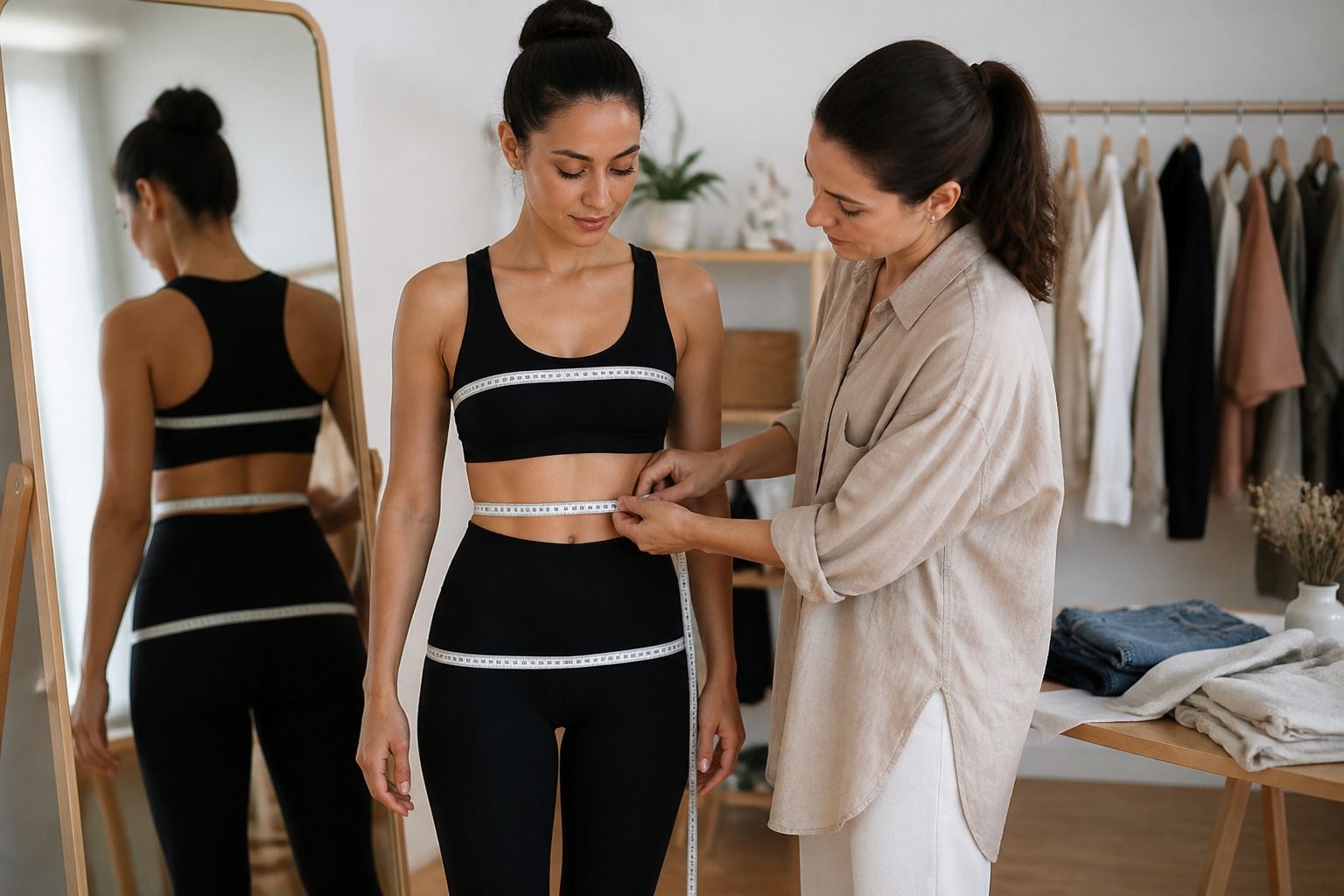
In clothing terms, apple or round body shape usually refers to the relationship between the shoulders, bust, waist area and hips. It does not describe one exact size, height, age or level of curve. Two people can land in the same category and need entirely different jackets: one may need extra room through the upper arm, while another wants a cleaner line at the hem.
Begin with comfort and movement
For many apple-shaped dressers, the most convincing outfit is simply one that does not argue with the midsection all day. Look for fabrics with a little body rather than a thin jersey that grabs every time you move. A woven popover shirt with a small side split, a softly structured ponte dress or a fine-gauge knit worn with a touch of room can stay neat without feeling restrictive.
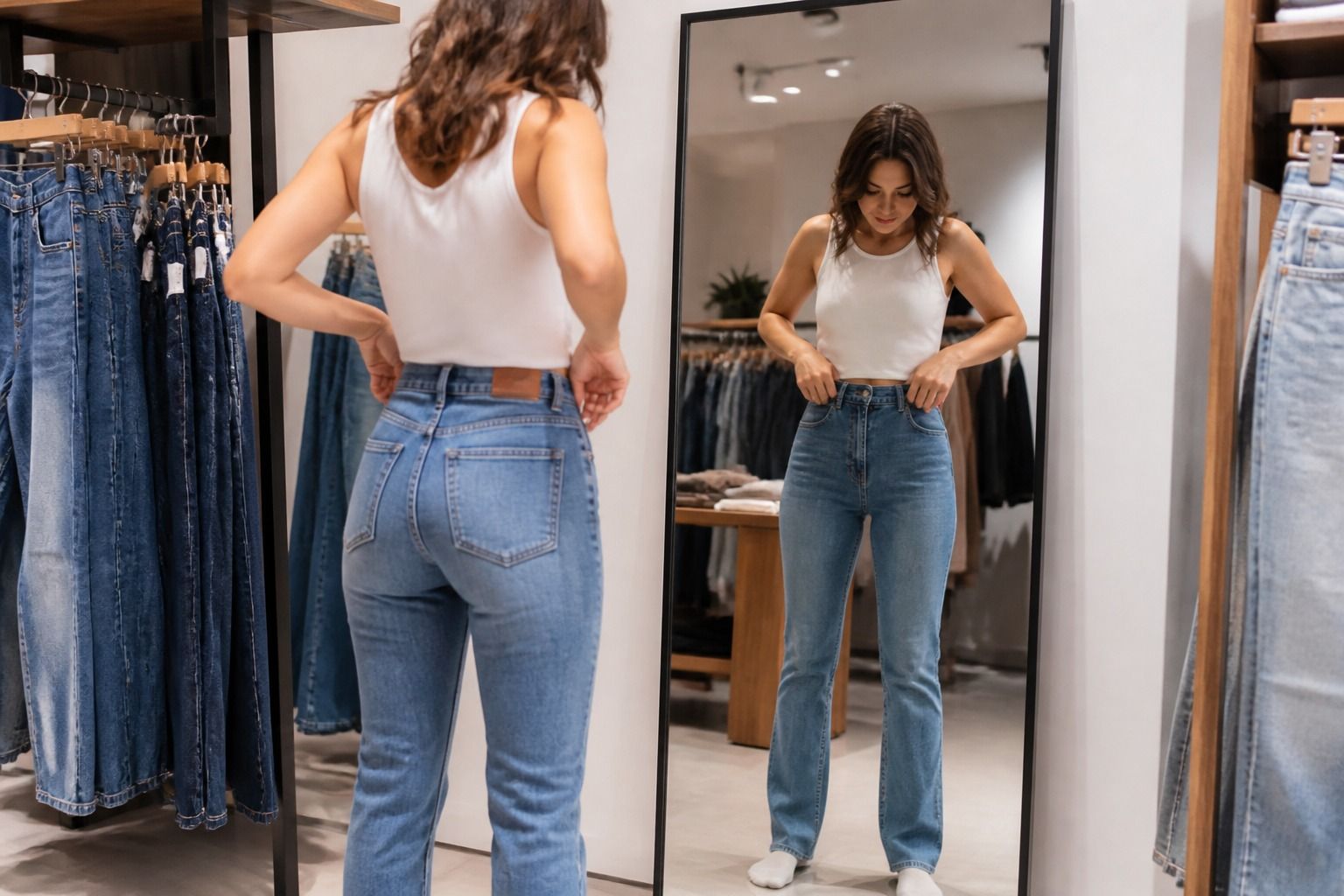
Test garments in motion. Sit on the bench outside the changing room, lift both arms, turn sideways and let the fabric fall back into place. A waistband that feels fine standing may fold or press once you sit. A top that looks polished on the hanger may ride up over high-rise trousers. Leaving a little ease is not settling for a bigger silhouette; it is what lets a silhouette keep its shape through an ordinary day.
Use length and open layers to make an outfit readable
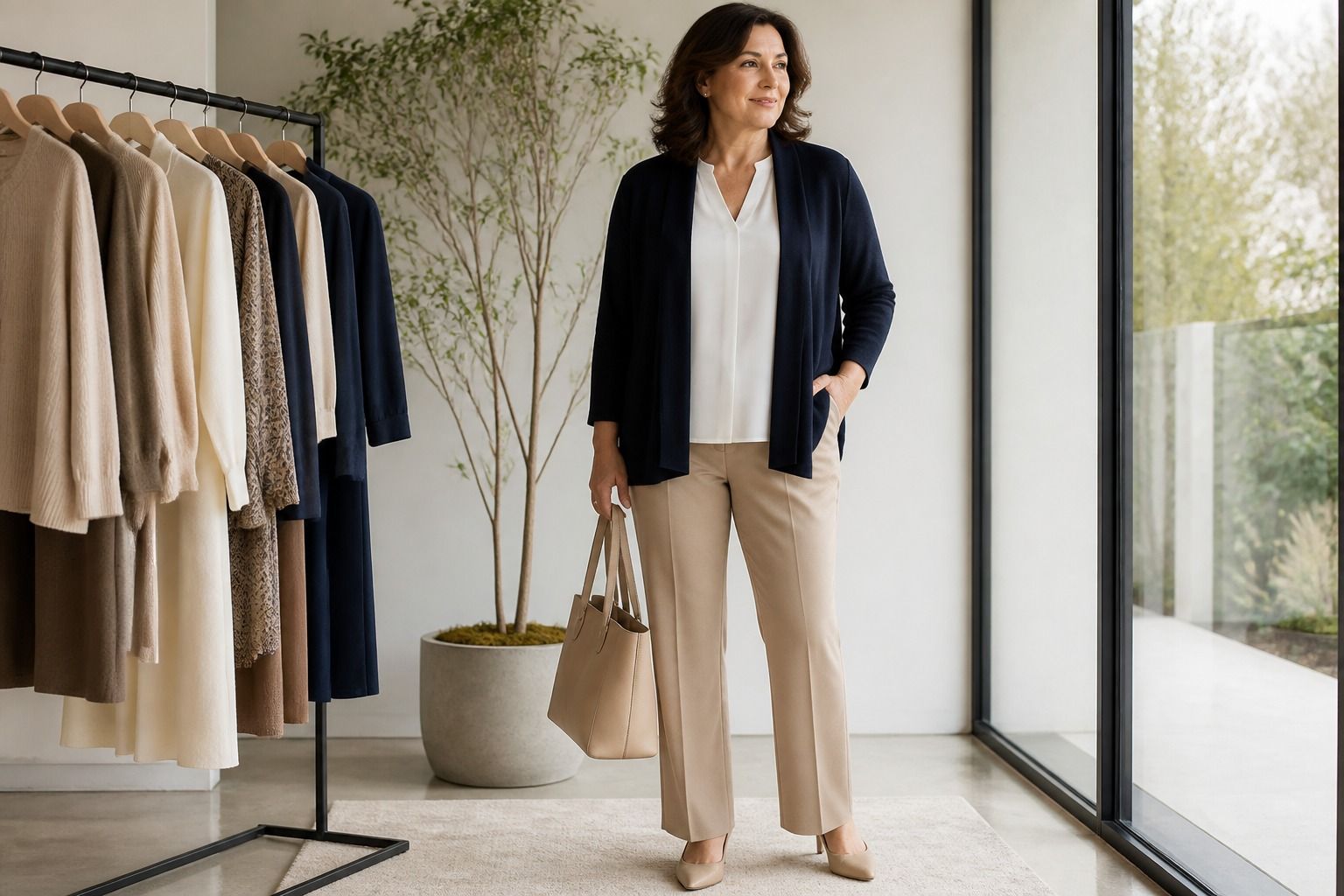
A vertical line is often easiest to create with an open layer, but it does not require a long black cardigan. An unbuttoned shirt over a tonal tank, a collarless jacket left open, or a lightweight duster over a column of similar colours all give the eye a clear path. The layer needs enough structure at the shoulder to stay put and enough space at the front not to strain when you move.
Hem placement matters more than fashion advice makes it sound. A blazer ending at the widest part of the torso can look abrupt on one person and excellent on another, depending on trouser rise and sleeve length. Try three versions in front of a mirror: cropped at the waist, hip-length, and longer through the upper thigh. Photograph them from a normal standing distance. The one that makes you feel composed, rather than carefully arranged, is usually the keeper.
Dresses and separates that stay adjustable
A dress does not need to have a defined waist to have shape. A shift dress with a visible shoulder line, a soft A-line dress, or a button-front style with an adjustable tie can all work well for an apple body shape. The best option is often the one that leaves a little air around the middle while giving the fabric a reason to fall vertically. An empire seam can be comfortable when it sits naturally below the bust rather than cutting tightly across it.
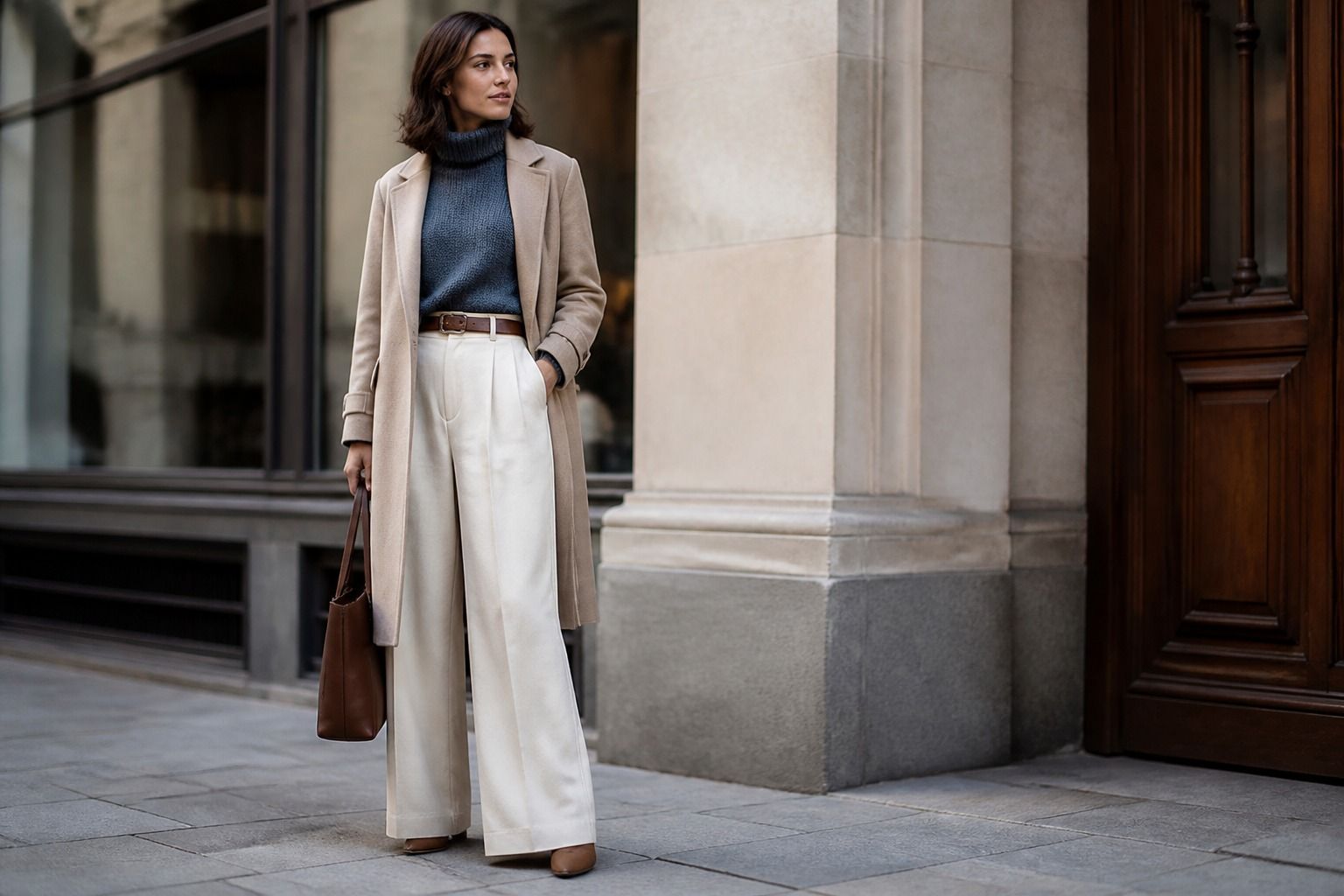
Separates offer even more control. Pair straight-leg jeans or fluid trousers with a top that has a split hem, a gentle front tuck, or a slightly shorter front and longer back. A half-tuck is optional, not a test of style confidence. If it keeps needing to be rearranged, skip it. A clean untucked top and shoes with a little visual presence can feel just as considered.
Necklines, sleeves and fabric weight in real outfits
Neckline depth changes the mood of a top quickly. A V, soft scoop or open collar can create breathing room near the face; a crew neck can be equally good when the shoulder fit is clean and the fabric is not bulky. The important check is whether the neckline lies flat. A stretched opening or a collar that kicks away from the chest makes an otherwise good garment look unsettled.
Sleeves deserve the same attention. A relaxed sleeve that ends near the elbow, a bracelet-length cuff, or a simple rolled shirt sleeve can introduce a deliberate break without adding fuss. Heavy, stiff fabric can feel protective on the hanger but turn into a block once layered. Medium-weight denim, brushed twill, crepe and compact knits are often easier to combine because they hold a line without demanding perfect posture.
Style advice worth questioning
Many guides tell people with an apple body shape to hide the middle, avoid belts, wear only dark colours, or show their legs. That advice is too blunt to be useful. A belt can look great when it is placed where you like it and the rest of the outfit has enough ease. Light colours can be calm and elegant. Short skirts are optional; so are long cardigans and V-necks.
A better question is: what is this piece doing for the outfit? A belt may break up a long shirt. A cropped jacket may add energy to wide trousers. A close-fitting tee may be exactly what you want under an open overshirt. Build a small rotation of combinations that survive a commute, a meal and a glance in a shop window. That is a more reliable version of how to dress an apple shape than any list of bans.\n
It also helps to separate a disappointing garment from a disappointing idea. If one empire dress feels awkward, the seam may simply be too high or the fabric too thin. If one long jacket swamps you, try a lighter fabric or a different hem. Make small, specific changes before discarding a whole category. Personal style usually improves through these ordinary comparisons, not through a dramatic wardrobe reset.
Keep the test simple: wear it for ten quiet minutes at home, move normally, and notice whether you forget about the garment or keep negotiating with it. That answer is useful data, not a failure of taste.
One last check is useful before you buy: wear the complete outfit with the bag and shoes you actually use. A relaxed top may need a shorter jacket rather than more tucking; straight-leg jeans may look better with a shoe that gives the hem a little definition. Notice how the pieces behave after a short walk, not just in a still mirror. The goal is a combination that lets you get on with the day, whether it is a meeting, a long drive or a dinner where you want to stop thinking about your clothes.