A body shape calculator can be a useful shortcut when getting dressed feels like a string of tiny guesses: one pair of trousers fits the hips but gaps at the waist, a jacket looks sharp on the hanger and oddly stiff at home. The result is not a verdict about your body. It is a rough description of proportion, best used alongside a mirror, a tape measure, and the evidence already hanging in your closet.
What a calculator can actually tell you
Most body shape calculators compare a few circumference measurements and sort the relationship into a familiar family such as hourglass, pear, rectangle, apple, or inverted triangle. They are looking for relative differences, not an ideal number. A smaller waist in relation to bust and hips may lead to one label; shoulders that read wider than hips may lead to another. That can make a scattered wardrobe problem easier to name.
Take measurements that are repeatable
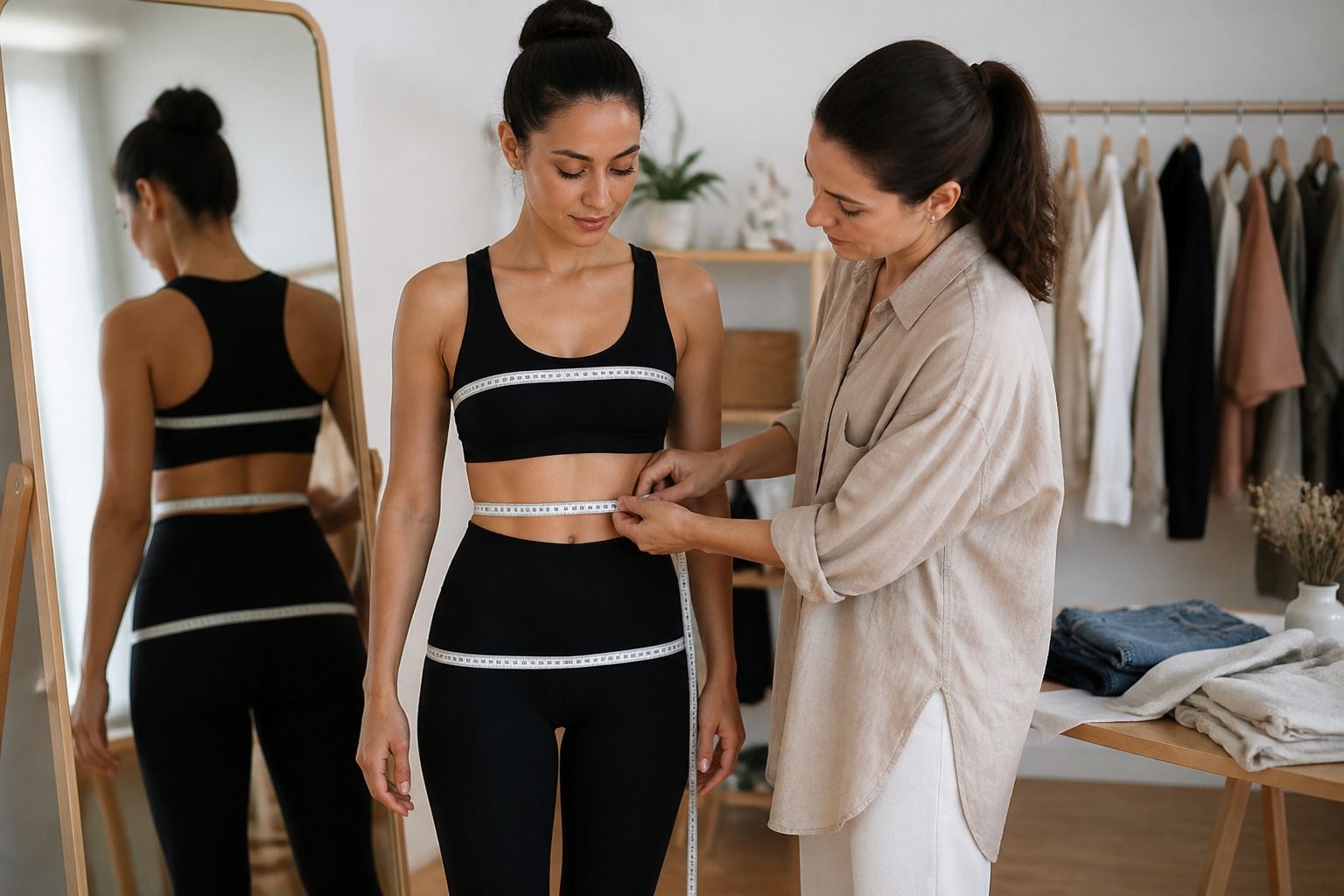
Use a soft measurement tape, light clothing or underwear, and a relaxed stance. Measure the fullest part of the bust without pulling the tape tight. Find the waist where your torso naturally bends, rather than automatically using the waistband of your jeans. For hips, stand with feet together and measure the fullest point around the seat and upper thigh. If the calculator asks for shoulders, measure across the back from one outer shoulder point to the other; this is less exact than a circumference, so repeat it twice.
Write the numbers down before typing anything in. One rushed reading can change a close result. Measure each point two or three times, breathe normally, and keep the tape parallel to the floor. If two readings differ by more than about half an inch or one centimetre, take a fourth. The goal is not laboratory precision; it is a set of numbers you could reproduce next month.
| Measurement | Where the tape goes | Useful check |
|---|---|---|
| Bust | Fullest part around the chest | Keep arms down and the tape level across the back |
| Waist | Natural bend of the torso | Do not hold your breath or suck in |
| Hips | Fullest point around hips and seat | Feet together gives a steadier reading |
| Shoulders | Outer shoulder point to outer shoulder point across the back | Ask for help if the tape keeps slipping |
How common body type calculator results are made
A body type calculator usually works with differences and ratios. For example, it may compare bust with hips, then compare both with waist. Small differences are common, so the thresholds matter. Two tools can put the same measurements into neighbouring categories because they use slightly different cutoffs. That is not a sign that one has exposed the truth and the other has failed; it shows how broad these labels are.
Use the exact figures rather than rounding everything upward or downward. Then read the result in plain language. If it says pear, the useful part may simply be that the hip measurement is notably larger than the bust measurement. If it says rectangle, it may mean the three measurements are closer together. Keep the raw measurements in your notes. They remain useful even if the label changes when you try another calculator or your preferred fit changes.
When the result feels wrong
A label can feel off because a tape measure records circumference while the eye notices outline. Someone with broad, softly sloped shoulders may look different from someone with the same shoulder width and a crisp square line. A fuller bust, a high hip, a long torso, or a pronounced curve through the thigh can also change how clothing reads. Posture matters too: a forward shoulder or a tilted pelvis can alter the drape of a shirt without changing any measurement.
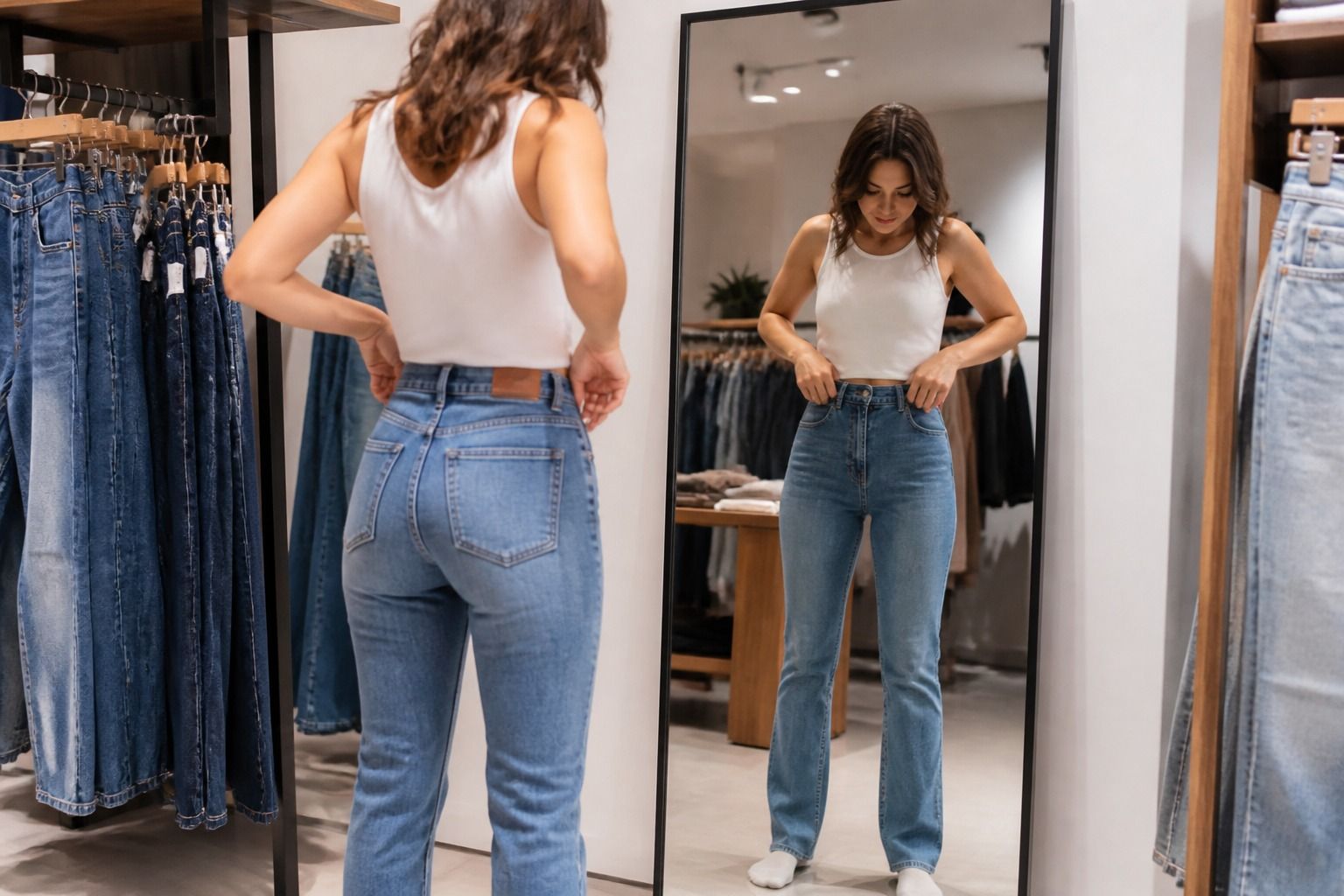
Pause before forcing yourself into a category. Stand in front of a mirror in simple fitted clothing and look at the relationship between shoulder line, waist placement, and hip line. Take a front photo at chest height if that is more comfortable; a phone held low can distort proportions. Notice recurring fit notes instead: sleeves that pull across the upper arm, dresses that fit the waist but strain at the back, or straight skirts that twist. Those observations are more actionable than winning an argument with a quiz.
Turn the result into a fitting experiment
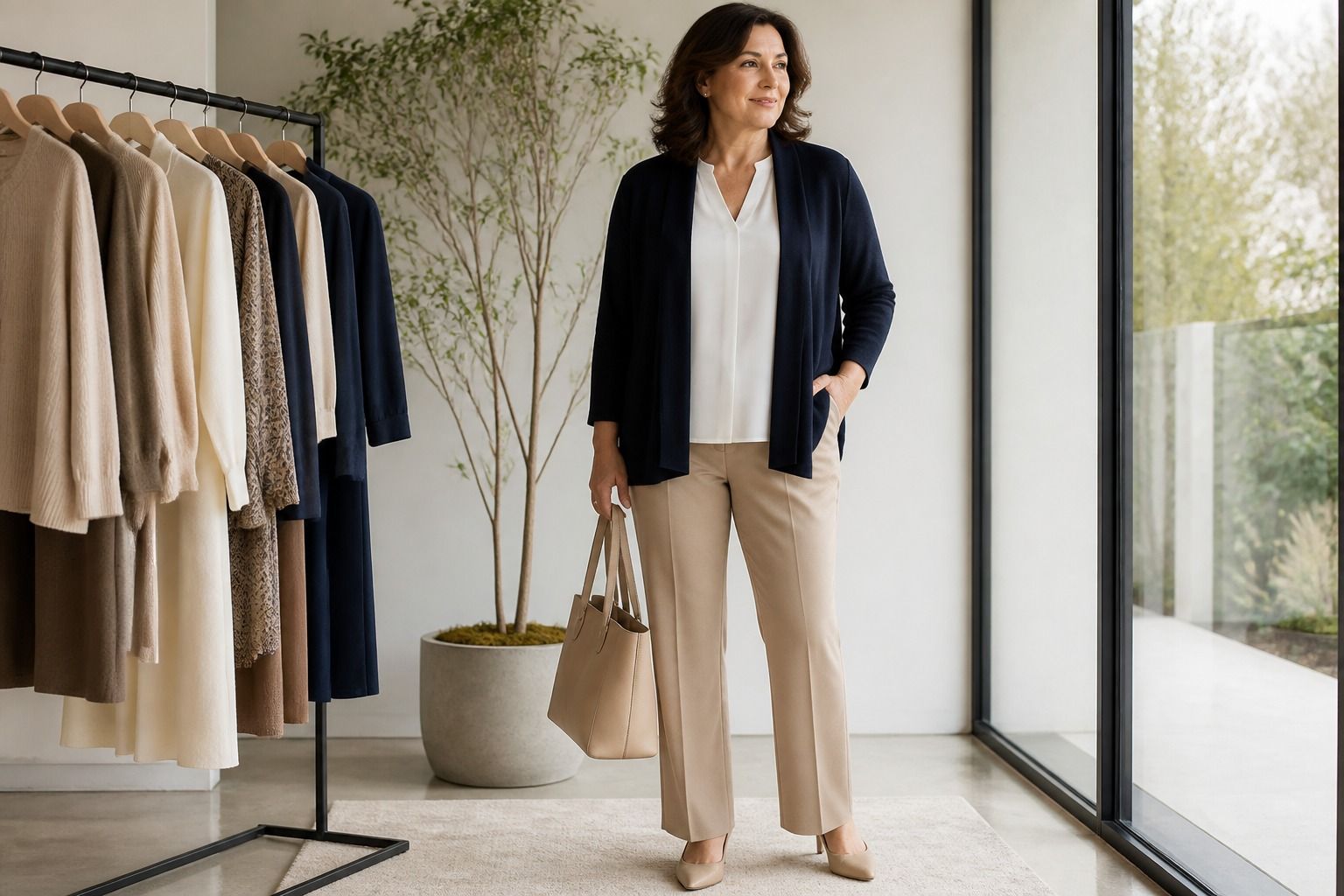
Choose three items you already own: a top, a bottom, and a layer such as a cardigan, blazer, or overshirt. Try each in two versions if possible. Compare a tucked top with an untucked one, a high-rise waist with a mid-rise waist, or an open jacket with a buttoned jacket. Change only one thing at a time. You are watching for where seams sit, whether fabric has room to move, and which proportions feel deliberate to you.
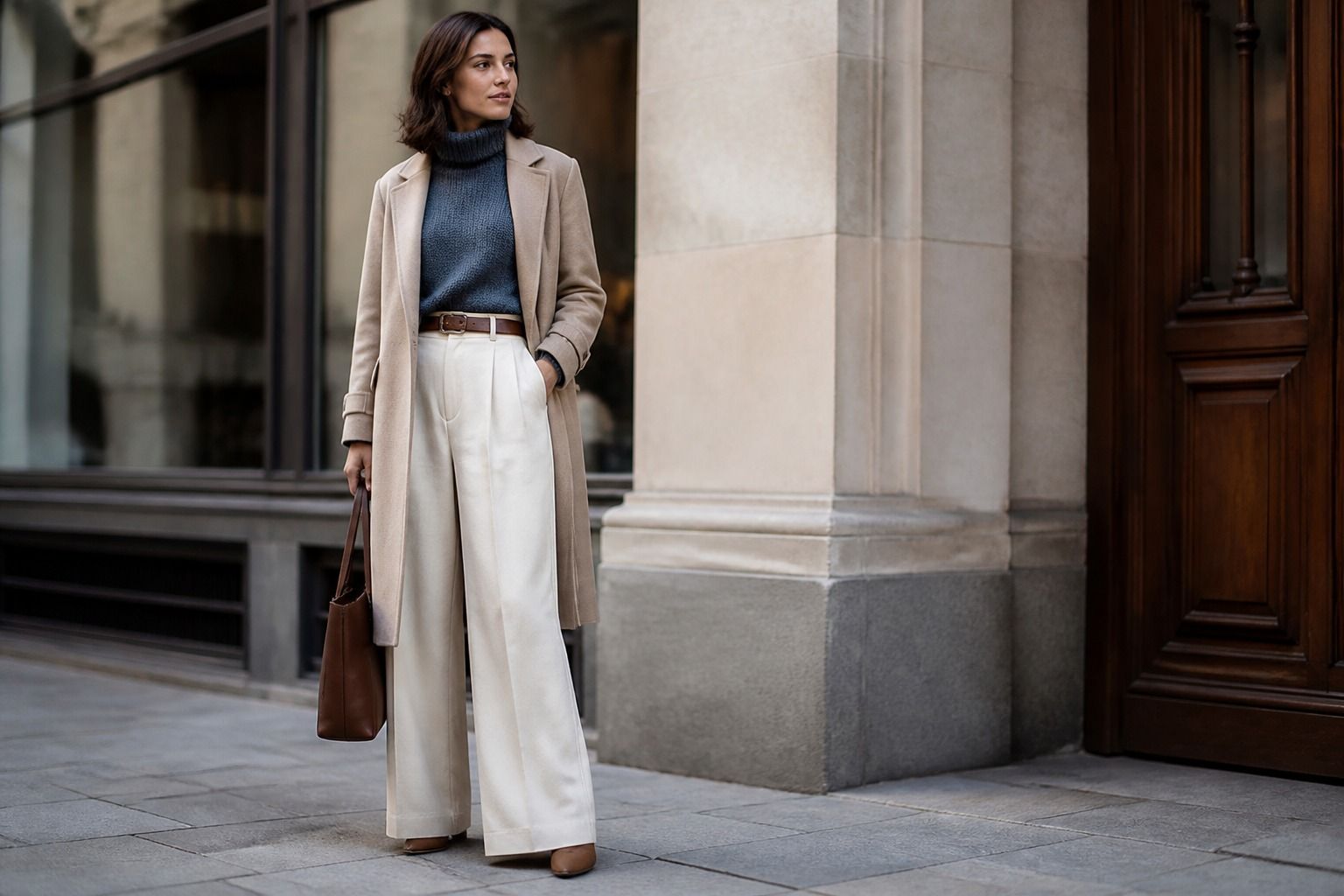
Keep a short fit note after each try-on. “Waistband stays put when seated” is more helpful than “flattering.” “Cropped jacket ends at my waist and works with wide-leg trousers” gives you a repeatable buying rule. A body shape calculator becomes useful when it helps you create these specific tests, rather than when it supplies a rigid list of approved silhouettes.
One final practical check is to keep the measuring tape out of the decision for a day. Wear an outfit you think should work, then note when you stopped noticing it: while walking to lunch, reaching a high shelf, or sitting at a desk. If the waistband rolls, a shoulder seam migrates, or a neckline needs repeated adjustment, record that alongside the measurements. Those small events reveal whether the silhouette supports your routine, and they make the next fitting-room comparison much clearer.
Let your closet have the final say
Use shape language to organize possibilities, not to reduce your choices. You may enjoy a clean column silhouette one day and a cinched waist the next. A loose shirt can work beautifully with a defined waistband; a fitted dress can feel right with a soft cardigan. Comfort, movement, climate, occasion, and personal taste all belong in the decision.
Revisit your measurements when your wardrobe or preferences change, but do not make it a ritual of self-surveillance. The enduring value is simpler: you know where garments tend to need room, where you like visual emphasis, and which alterations are worth asking for. That is enough information to shop more calmly and dress with more intention.