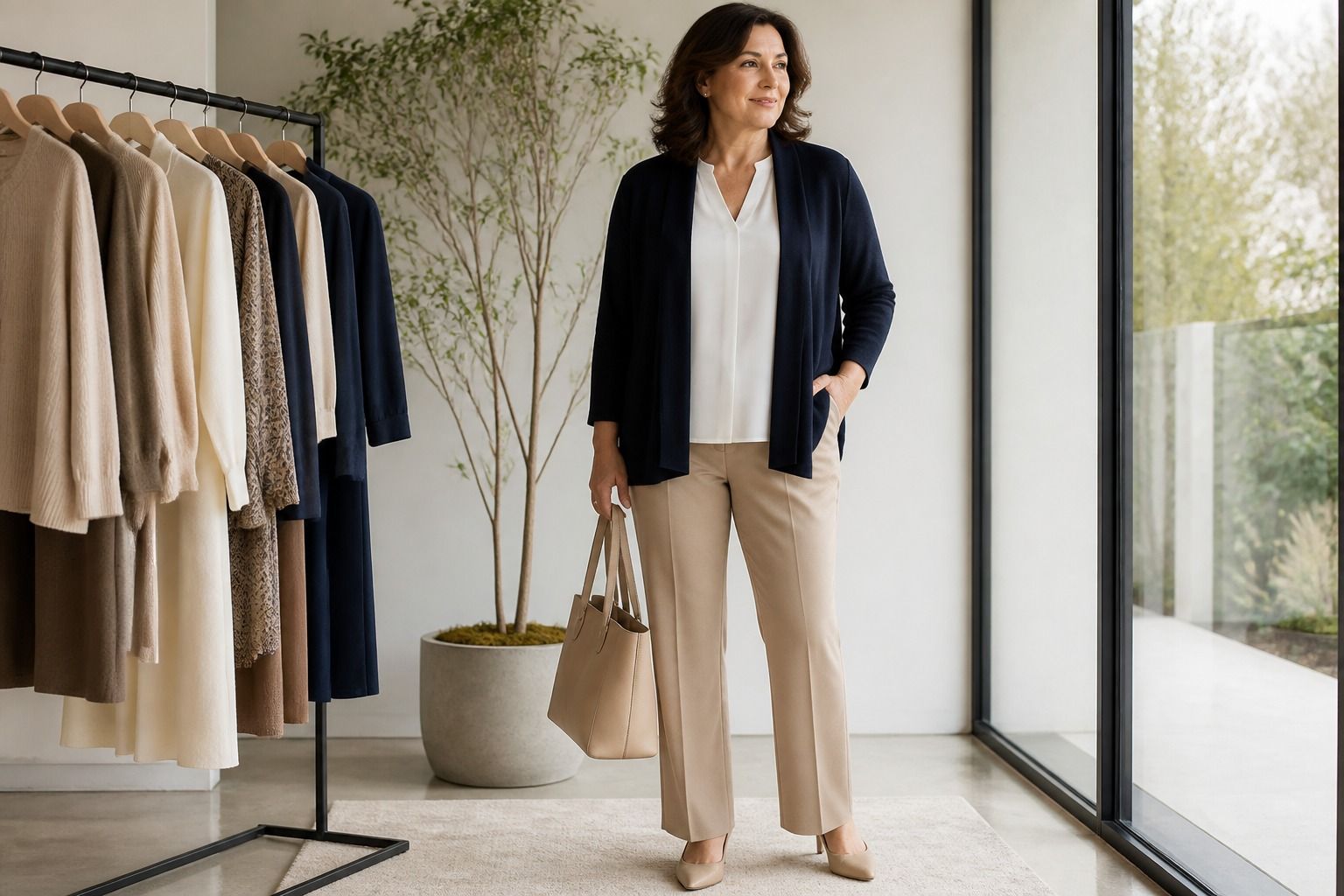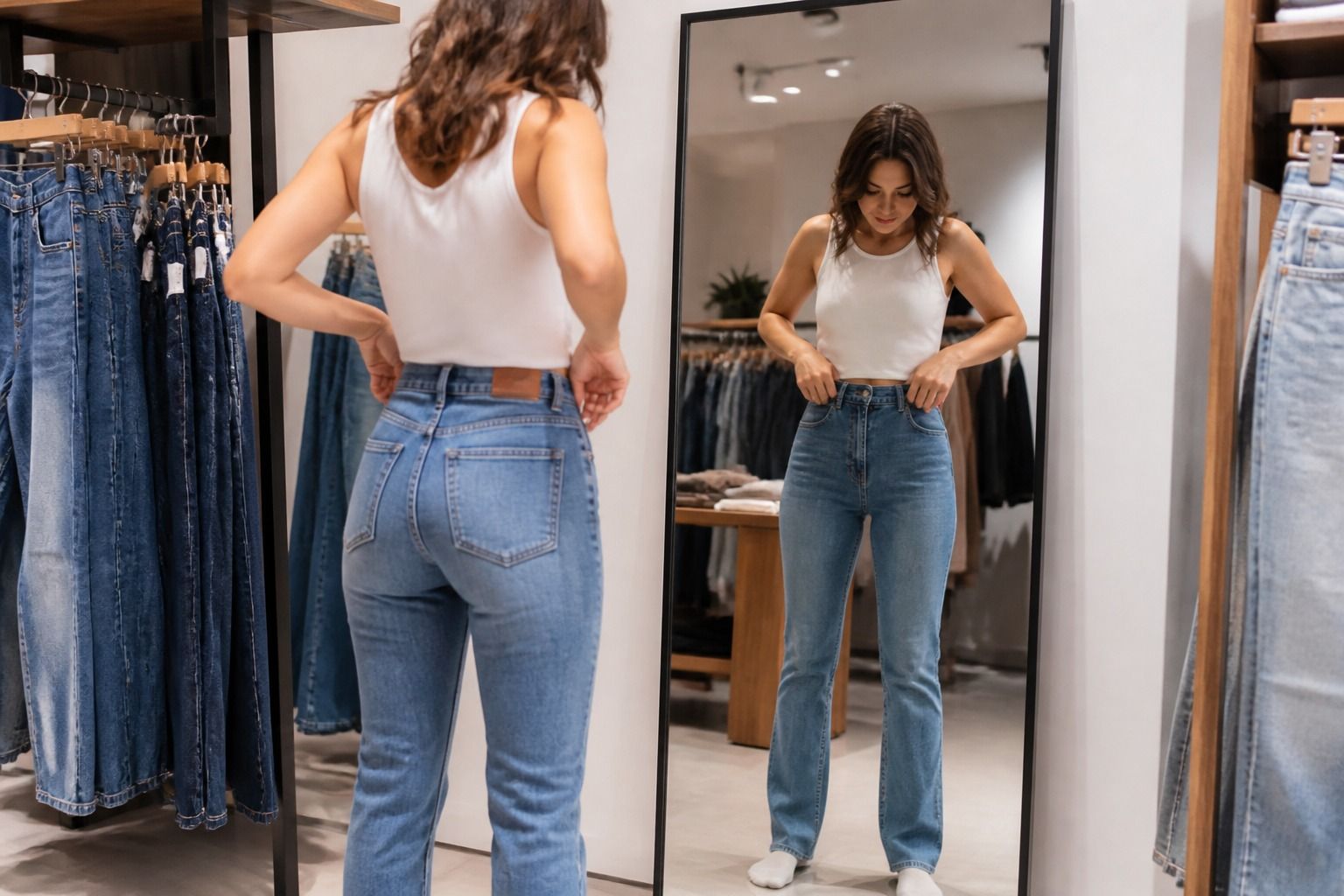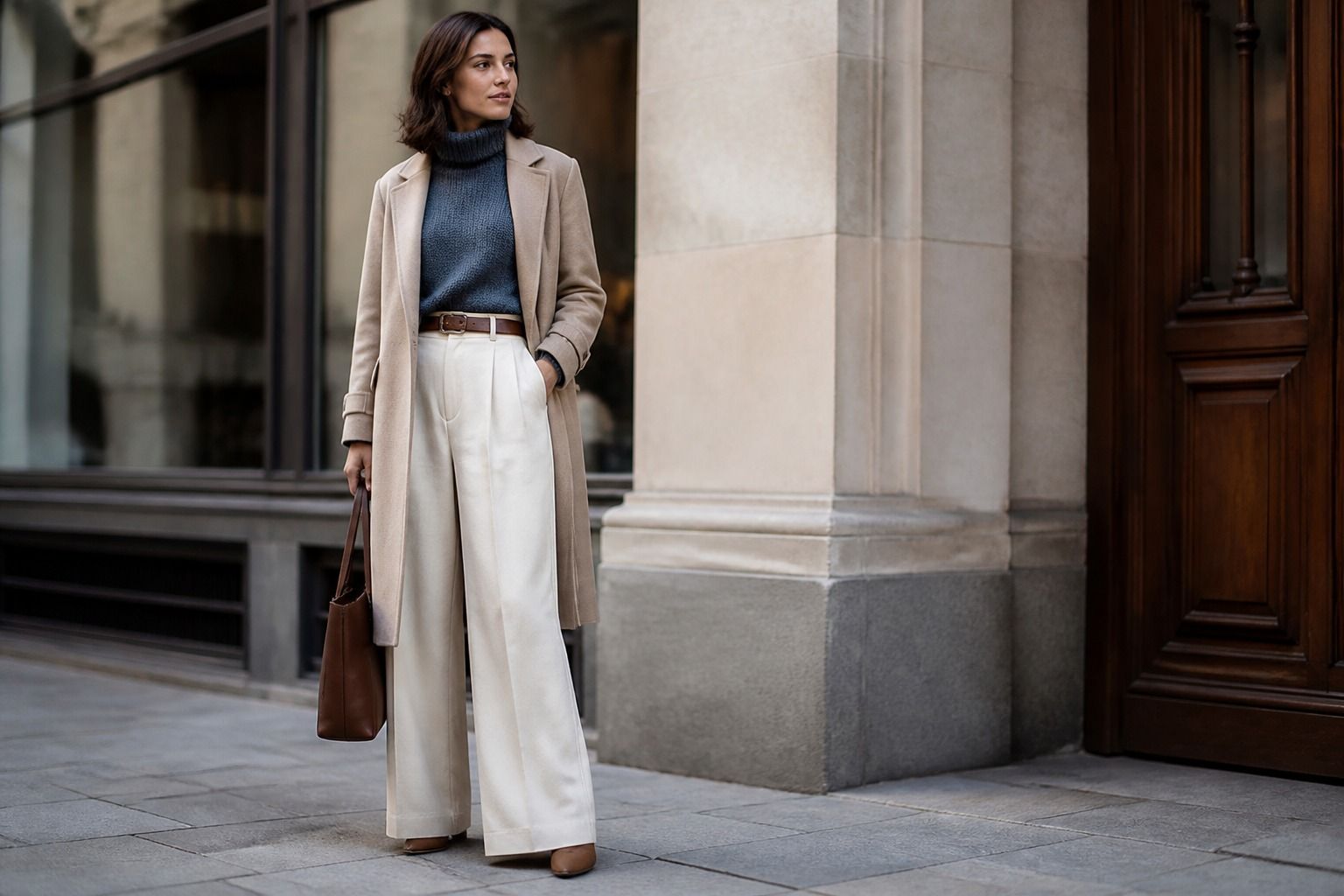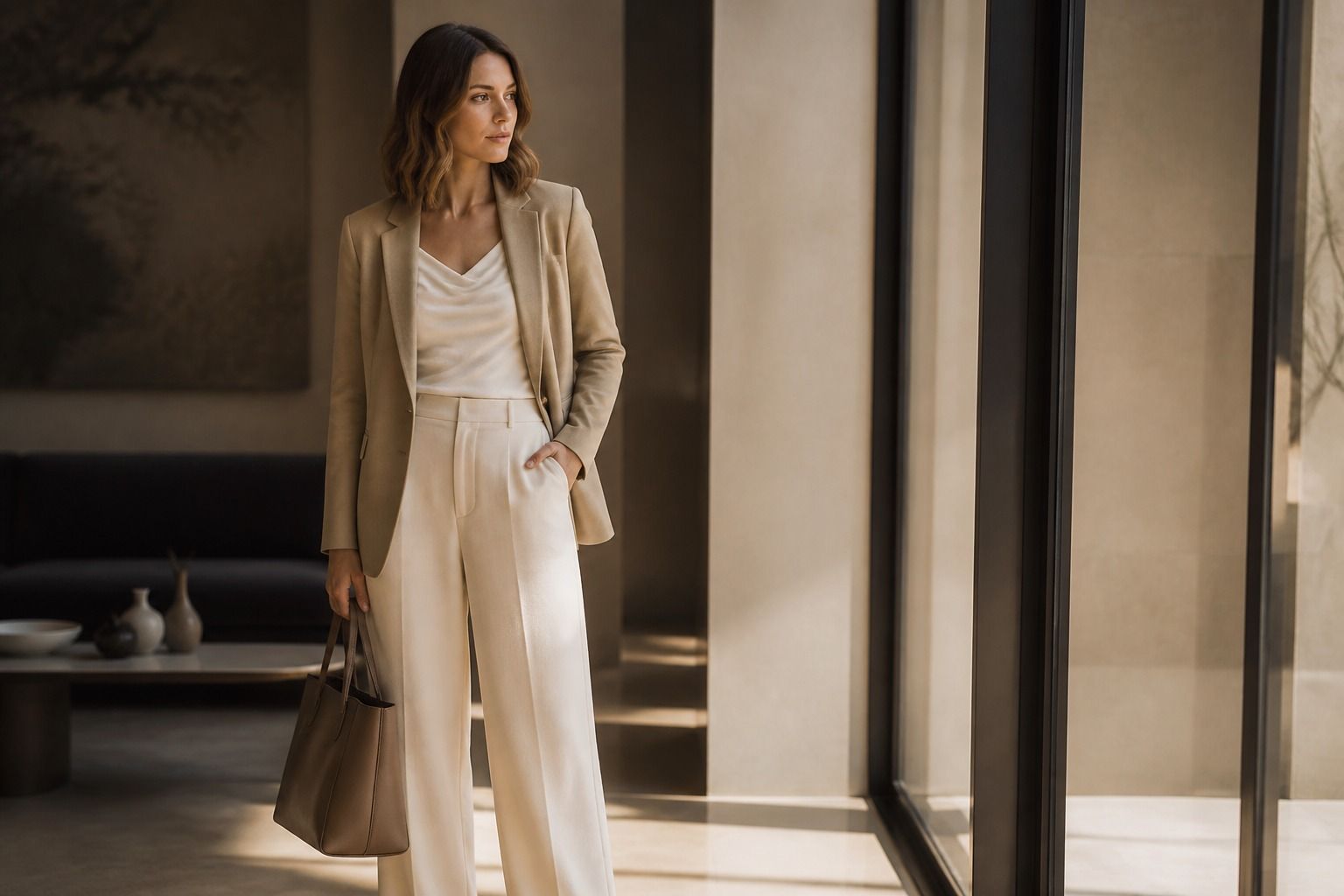
A rectangle body shape generally means the shoulders, waist and hips read in a fairly straight line. That can make shopping straightforward in some ways: many clean, tailored pieces hang beautifully. It can also make a garment feel flat when its seams, fabric and hem all land in the same place. The answer is not to manufacture curves. It is to decide which kind of contrast you enjoy and use clothes to make that choice visible.
Recognise the shape without turning it into a verdict
The phrase straight body shape describes proportion, not personality or a missing feature. Some rectangle-shaped people have a pronounced waist in certain clothes; others prefer a long, uninterrupted silhouette. Height, posture, bust fit and shoulder width all change the picture. A fitted dress may look dramatically different after a simple alteration at the side seam, even though nobody's category has changed.
Choose the contrast you want before adding details
There are several good directions for a rectangle body shape. You may want a crisp, column-like look with a sharp shoulder and matching trousers. You may prefer a visible waist through a wrap, belt or waist seam. Or you may enjoy contrast at the hem: a fitted knit with a pleated skirt, a cropped jacket over wide trousers, or a long shirt with shorts. None is more flattering in some universal sense.
Pick one emphasis per outfit so it does not become a styling exercise you have to maintain. If the skirt has movement and texture, let the top be simpler. If the jacket is boxy and cropped, use a quieter trouser. In a changing room, take off one accessory before adding another. The result usually has more clarity, and it is easier to repeat on a rushed morning.
Suggest a waistline only when it earns its place
A waistline can come from construction rather than a belt. Look for a shirt with darts, a dress with a waist seam, trousers with a shaped waistband, or a cardigan that closes slightly above the natural waist. These details create a break without cinching. They are often more comfortable than a belt that shifts after lunch or presses against a thick knit.
When you do use a belt, match its width to the fabric and the scale of the outfit. A narrow belt over a dense wool dress can disappear; a broad belt over a flimsy shirt can take over. Try positioning it a little higher, lower, or loosely over an open layer. The point is not to make the waist look smaller. It is to decide where the outfit changes direction, then see whether that break feels natural when you walk.
Use texture and layers to create depth
Texture is especially useful when your favourite colours are neutral. Ribbed knitwear, a suede jacket, denim, crisp poplin and a softly pleated skirt each catch light differently, so an outfit gains depth without needing a bold print. A head-to-toe outfit in one colour can still feel lively if the trouser is matte, the top is fine knit and the outer layer has a slightly brushed surface.
Layers work best when their hems are doing different jobs. A cropped jacket can mark the upper body while a longer tank underneath keeps the line relaxed. A shirt worn open over a fitted vest adds movement at the sides. Check that each layer has enough room at the armhole and shoulders; if you cannot reach a shelf or drive comfortably, the visual effect is not worth the constant adjustment.
Build flexible outfit formulas, not uniforms
One reliable formula is straight or wide-leg trousers, a tucked or semi-tucked knit, and a jacket that ends near the high hip. Another is a simple column dress with boots and a short textured layer. For warmer weather, try a sleeveless top with a pleated or bias-cut skirt; the contrast comes from movement, not from forcing a particular outline. These formulas give you a starting point while leaving plenty of room for colour and mood.
Pay attention to hem placement. A top that stops exactly at the widest point of a trouser waistband may look neat; an inch longer may be more relaxed. Neither is a mistake. Photograph the outfit from front, side and seated positions, then keep a note of combinations that feel easy. Personal style becomes less mysterious when you collect evidence from the clothes you already wear rather than chase a perfect rectangle-shape formula.
Let fit, not a label, make the final decision
The most useful test is whether the garment has enough ease in the places where you move and enough structure where you want definition. Check shoulder seams, back length, pocket placement and whether the fabric recovers after sitting. A dress can have every supposedly helpful feature and still feel wrong if its waist seam rides up or its skirt twists as you walk.
Keep the pieces that make you stand differently because you are comfortable, not because you are bracing to preserve a silhouette. A straight silhouette can be minimal, soft, dramatic or playful. The rectangle label gives you vocabulary for proportion; it does not prescribe a destination.\n
When an outfit feels nearly right, alter one thing at a time. Change the sleeve roll, swap the belt for an untucked hem, or try the same jacket with a skirt instead of trousers. Tiny adjustments reveal whether you want more contrast, less bulk or simply better fit. That makes shopping slower in the moment, but it prevents a wardrobe of clever pieces that only work in theory.
Keep the test simple: wear it for ten quiet minutes at home, move normally, and notice whether you forget about the garment or keep negotiating with it. That answer is useful data, not a failure of taste.
A small fitting-room experiment can make this clearer. Take one pair of trousers and swap only the top: first a fine knit, then a shirt with a waist seam, then a cropped jacket over a tank. You will see which kind of interruption feels lively and which feels overworked. The result may be a clean column rather than a defined waist, and that is still a decision. Keep the version that works while seated, walking and under the outerwear you rely on most.